

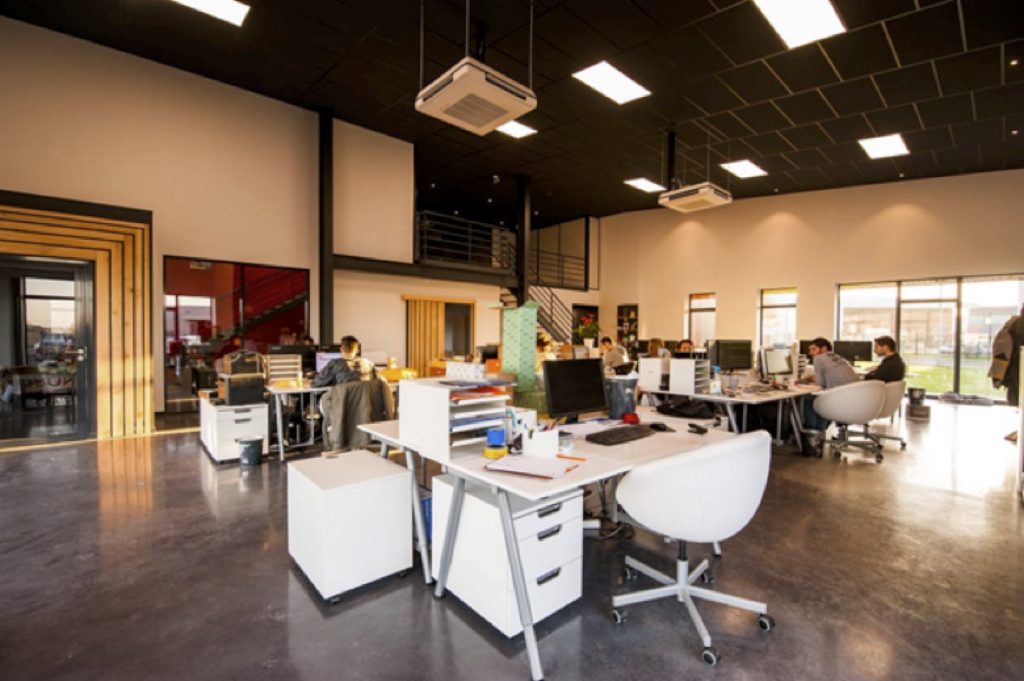

There’s a strange moment that happens when a startup begins growing.
At first, everybody’s working from home, coffee shops, shared workspaces, maybe someone’s tiny apartment with terrible Wi-Fi and one chair that squeaks every five seconds. It feels scrappy and exciting.
Then suddenly the team grows.
Calls overlap.
People need meeting rooms.
Someone keeps forgetting to mute themselves.
And your “remote-first workflow” quietly becomes chaos.
That’s usually when founders start thinking about office space seriously.
And honestly, finding the right office for a startup is harder than it looks. Because you’re not just choosing a building. You’re choosing how your team works, grows, collaborates and occasionally survives stressful product launches together.
There’s money involved too. Lots of it.
So before signing the first shiny lease you see, it’s worth slowing down a little.
Figure Out What You Actually Need
Startups often overestimate office needs early.
Founders imagine rapid growth, giant teams and trendy breakout spaces with neon signs on the wall saying things like “HUSTLE HARDER” (please don’t).
But flexibility matters more than appearances at the beginning.
Ask practical questions first:
- How many people actually need to be in-office?
- Are you hybrid or fully in-person?
- Do employees need quiet focus areas?
- How often do clients visit?
- Is meeting space important?
- Will the team outgrow this space quickly?
A 20-person startup doesn’t necessarily need a massive office just because they hope to hire aggressively next year.
Startup office space can become an anchor financially if you scale too early.
Coworking Spaces Changed Everything
Ten years ago, startups mostly had two options:
- expensive leases
- or working from someone’s garage basically
Now coworking spaces filled that middle ground. And they make sense for a lot of startups because they offer:
- flexible contracts
- shared amenities
- networking opportunities
- lower upfront costs
- ready-to-use infrastructure
For early-stage companies, avoiding long commercial leases can be huge. Especially when startup growth is unpredictable. One month you’re hiring fast. The next month investors are suddenly talking about “runway efficiency” and everyone starts sweating a little. Coworking gives breathing room.
Location Still Matters
Even in the remote-work era, where your office sits can affect:
- recruiting
- commute satisfaction
- client perception
- networking opportunities
- culture
Some startups benefit massively from being near industry ecosystems.
Tech startups near innovation hubs often build connections naturally just by proximity alone. Partnerships, hiring, investor meetings, random conversations at cafés… it all adds up over time. But expensive central locations aren’t always necessary anymore either.
Sometimes a slightly less trendy area with:
- easier parking
- lower rent
- bigger space
- better public transport
…creates a better employee experience overall. Nobody misses spending 90 miserable minutes commuting each day.
Don’t Ignore Office Design
This part sounds superficial until you experience a badly designed workspace.

Poor lighting, noisy layouts and uncomfortable setups quietly destroy productivity.
Your startup office space doesn’t need ping pong tables or indoor slides or any of that startup cliché stuff.
But it should support how your team works.
Some important things startups overlook:
- natural light
- acoustic privacy
- air quality
- ergonomic furniture
- meeting room availability
- internet reliability
Especially internet reliability.
Nothing kills morale faster than everyone tethering off phones because the office network collapsed again during an investor call.
Lease Terms Matter More Than Rent
A cheap office can become expensive if the lease terms are terrible.
Startups should pay close attention to:
- lease length
- break clauses
- rent increases
- fit-out responsibilities
- maintenance obligations
- expansion flexibility
Commercial leases are very different from residential rentals. They’re often negotiated heavily too.
And many founders sign agreements too quickly because they’re excited to “finally have an office.” That excitement fades fast if you’re trapped in a five-year lease while downsizing.
Lawyers cost money upfront, sure. But bad leases cost much more later.
Hybrid Work Changed Office Priorities
A lot of startups no longer need permanent desks for every employee. That changed office planning completely.
Now companies are prioritising:
- collaboration zones
- flexible seating
- meeting spaces
- social areas
- hot-desking setups
The office became less about “where work happens” and more about:
- culture
- teamwork
- creativity
- connection
That’s actually healthier in many ways.
Forcing people into offices just to sit silently on Zoom calls all day never really made much sense anyway.
Budget for Hidden Costs
Rent is only part of the expense.
Startups regularly underestimate:
- utilities
- internet
- cleaning
- security
- furniture
- insurance
- fit-outs
- maintenance
- office supplies
- parking
Those costs stack up fast.
Even small details matter eventually. Coffee machines alone somehow become financial black holes in some offices.
And once teams get used to certain perks, removing them later gets awkward.
Why Insurance Matters Early
This is the part founders sometimes ignore because it feels boring.
Until something goes wrong.
Office spaces come with risks:
- theft
- fire
- water damage
- vandalism
- equipment damage
- liability claims
And startups usually rely heavily on expensive technology. Laptops, servers, monitors, networking equipment… replacing all of that suddenly can be brutal financially.
That’s why getting the right commercial property insurance in place matters from the beginning.
Good coverage helps protect:
- office contents
- business equipment
- physical premises
- inventory
- interruption to operations
Some landlords also require certain insurance coverage before leases are finalised.
The important thing is making sure coverage actually matches your business risks. A tiny consulting startup and a hardware company storing expensive equipment have completely different exposure levels.
And honestly, many founders don’t realise gaps exist until they need to make a claim.
Think About Future Growth Carefully
Every startup dreams about scaling quickly.
But startup office space planning should balance optimism with realism.
A good startup office usually allows:
- some expansion
- layout flexibility
- scalable infrastructure
- adaptable seating arrangements
Without locking the company into massive long-term commitments.
Growth rarely happens in perfect straight lines anyway.
Sometimes startups double in size fast.
Sometimes hiring freezes happen unexpectedly.
Sometimes remote work expands naturally.
Flexibility matters more than trying to predict the future perfectly.
Culture Happens in Physical Spaces Too
People underestimate how much offices influence culture.
The environment shapes:
- communication
- collaboration
- morale
- energy
- relationships
A thoughtful office can make teams feel connected.
A bad office can quietly create frustration every day.
Even little things matter:
- whether people can focus
- whether meetings constantly interrupt work
- whether the space feels welcoming
- whether employees actually want to be there
Because no amount of startup branding can compensate for an office everyone secretly hates.
Final Thoughts
Finding office space for your startup isn’t just a property decision.
It’s a business strategy decision.
The right office should support:
- productivity
- collaboration
- flexibility
- financial sustainability
- company culture
Without draining resources unnecessarily.
And while flashy spaces might look impressive on social media, most successful startups benefit more from practical, adaptable environments that actually fit how their teams work.
Start simple if needed.
Stay flexible where possible.
Read lease terms carefully.
And don’t skip important protections like insurance just because they feel less exciting than office design.
Because the best startup office space usually isn’t the fanciest one.
It’s the one that helps the business grow without creating problems later.
