

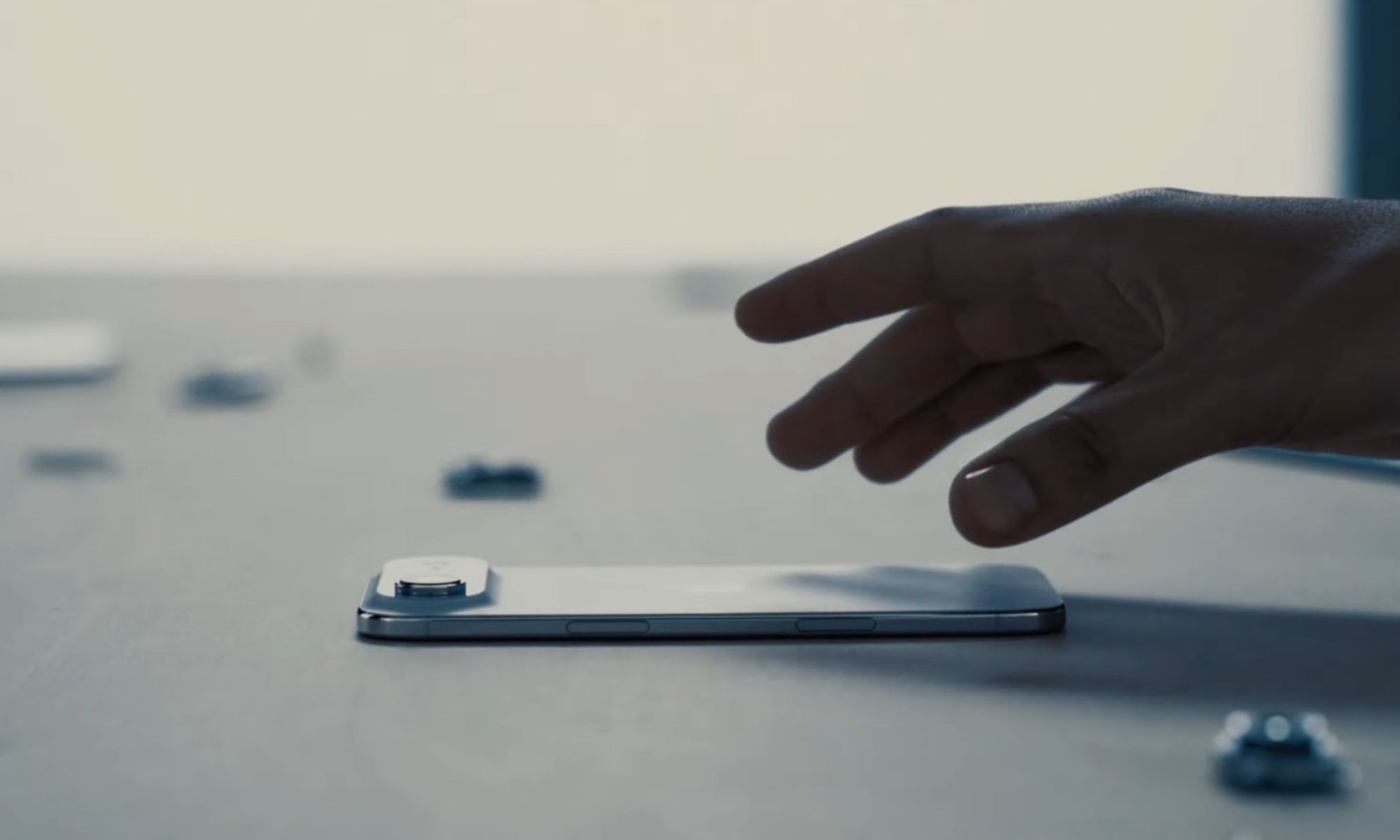

Choosing between the Mate 70 Air and iPhone Air got me thinking—do I want sleek design or more power for less?

China’s smartphone brands are stepping up to challenge Apple in 2025, and now it’s Huawei’s turn. The Mate 70 Air aims at the same crowd that loves the iPhone Air for its sleek design but isn’t willing to splurge. Despite being slim and quite affordable, the Mate 70 Air doesn’t cut corners like the iPhone does. But do the perks of the Huawei Mate 70 Air outweigh the Apple experience?
Design
The Mate 70 Air measures 6.6 mm thick and weighs 208 grams. While the iPhone Air comes in thinner at 5.6 mm and lighter at 165 grams, the Mate 70 Air delivers strengths in other areas that I’ll dive into below.
I was thinking the other day that the iPhone Air feels like a more polished version of the iPhone X, with just enough updated design details. It’s like Apple remembered what their phones used to look like before the Pro models took over—a refreshing change from the recycled iPhone 11 through 16 style.
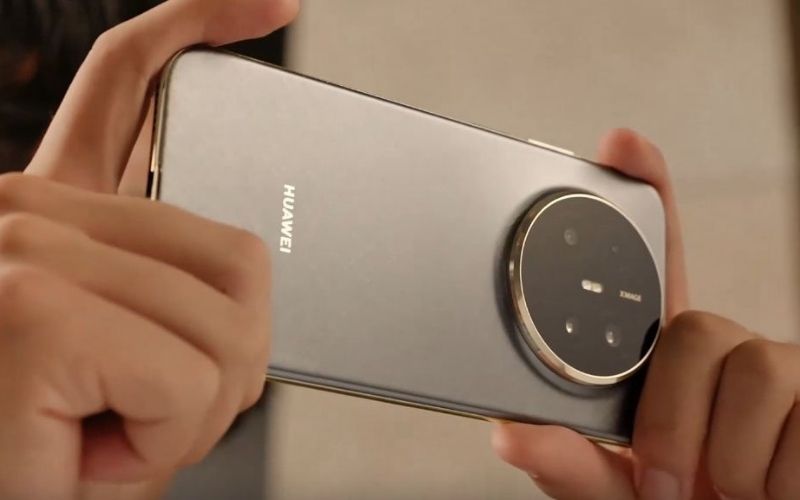
The Mate 70 Air’s camera setup is similar to the Mate 70 Pro/Pro+, with a round bump and four lens openings. When we talk about slim phones, it’s all about unique design. In terms of looks, I have to give Apple the win.
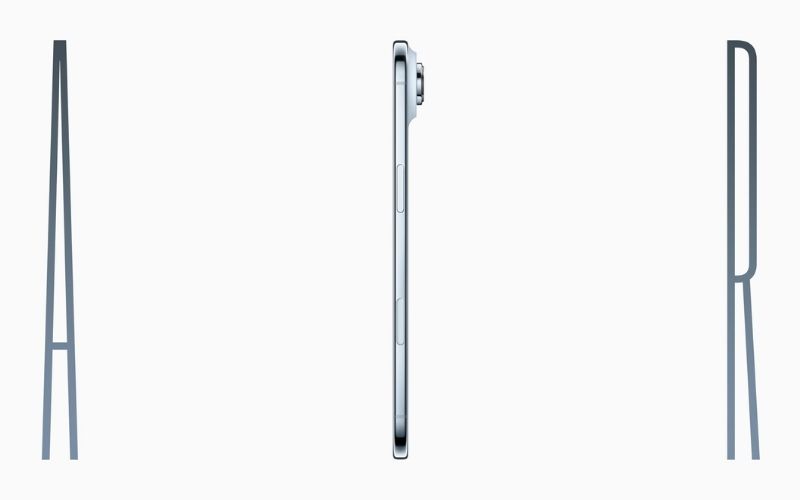
The iPhone Air has smooth, rounded edges and a shiny titanium frame. It collects fingerprints quite a bit but feels tough. The USB-C port is 3D-printed, and the buttons and camera controls stretch almost from edge to edge.
I spent some time deciding between the Huawei colors—Black, White, or Turquoise. In the end, I went with White. I’ll admit though, each color had its own pull for me. The iPhone Air offers colors like Sky Blue, Light Gold, Cloud White, and Space Black. While the choices lean more toward fun and youthful vibes, I had a tough time picking one that felt more “me” as a man in my mid-20s. But hey, Apple’s aiming at people who love that wow factor, and there’s nothing wrong with that.
Display
Huawei’s self-developed Kunlun glass protects the Mate 70 Air’s display, but the real standout is the 18.8:9 aspect ratio and spacious 7-inch real estate. Thanks to the wide layout, reading e-books and articles becomes easier and requires less scrolling. And my favorite part: games like Call of Duty: Mobile and PUBG feel smooth because of the larger touch zones. I’m surprised, though, that Huawei doesn’t include a stylus for a screen this big.
Screen brightness has become a key feature for smartphones, alongside CPUs and cameras. The Mate 70 Air delivers here too, reaching 4,000 nits at peak, keeping the display clear even in bright sunlight. Apple chases the same goal, so Huawei faces stiff competition.
For comparison, the iPhone Air sits in the middle of the iPhone 17 lineup with a 6.5-inch display. Users love the Super Retina XDR screen, which reaches 3,000 nits at peak and stays easy to see in every situation.
Camera
The Mate 70 Air has a round camera setup on the back with four lenses. The main camera is a 50 MP sensor, and there’s a 12 MP telephoto lens with 3x optical zoom and OIS. You also get an 8 MP ultrawide/macro lens and a 1.5 MP multispectral red maple sensor to boost color and detail in different lighting.
On the other hand, the iPhone Air’s camera setup is one of its weaker points. It comes with a single 48 MP camera on the back and an 18 MP selfie camera with Centre Stage tech from the iPhone 17 series. Without an ultrawide or telephoto lens, the photo options feel limited. It’s a bit disappointing, when you compare the iPhone Air to Samsung’s Galaxy S25 Edge, which offers two cameras. But that’s a discussion for another time.
Gaming and audio
It’s strange that the Huawei Mate 70 Air uses two versions of the Kirin chip—the Kirin 9020A and the Kirin 9020B. The first one runs with 16 GB of RAM, while the other has 12 GB. Both chips are just slightly slowed-down versions of the regular Kirin 9020.
The main difference between the regular Kirin 9020 and the Air’s 9020A is that the big and medium cores run at 100 MHz lower speeds. So, the 9020A has 2 large cores at 2.4G Hz, 6 medium cores at 2.0 GHz, and 4 small cores at 1.6 GHz. The performance gap? Only about 5%. As for the Kirin 9020B, it packs 6 cores and 9 threads, which you’d expect from a midrange chip.
The iPhone Air runs the A19 Pro, close to the chip in the iPhone 17 Pro, but with one fewer GPU core. That trim hits game power a bit, and the same goes for heavy graphic work. I don’t recommend anyone buying the iPhone Air or the Mate 70 Air for game sessions anyway. The iPhone Air zips through basic tasks, yet heat builds up fast near the camera bump when the phone churns on demanding tasks.
Speaker setup takes a turn. The Mate 70 Air throws out sound from a couple of stereo units. In shooters, steps start from the left, sweep to the right, and help you track movement around you. The iPhone Air goes with one earpiece unit near the top. The sound from that spot works fine, but the absence of stereo hits the vibe during shows or clips.
Battery
Samsung and Apple missed the mark with battery life on their slim smartphones, but not Huawei. The Mate 70 Air comes with a 6,500 mAh silicon carbon-anode battery. From what I’ve read, many users are getting around 35-40% by bedtime after heavy use. That’s solid for a slim phone.
In contrast, the iPhone Air’s battery is smaller (3,149 mAh) to keep the design thin. While the battery life isn’t as long as other iPhones, it’s still manageable. You should get through most days with a nightly charge, but if you’re gaming or running demanding apps, you might need to switch to low power mode.
Price and verdict
I see how Huawei’s thin phone stays strong in spots where the ultrathin Apple phone falls short. The Mate 70 Air brings a big screen, punchy stereo sound, and a huge power cell. The $799 tag for Mate 70 Air feels fair to me. Apple asks for $999 for the iPhone Air, and you add $99 for a snap-on power pack that Apple frames as a bonus item, though I see it as a must for long days. Once the total hits near $1,100, I urge care.
Every year, Apple drops new iPhones, and most of the time, each model is just a small upgrade from the last—better cameras, a few new features, but not a huge change. If you choose the iPhone Air, the trade-offs might be worth it, depending on what matters most to you.
